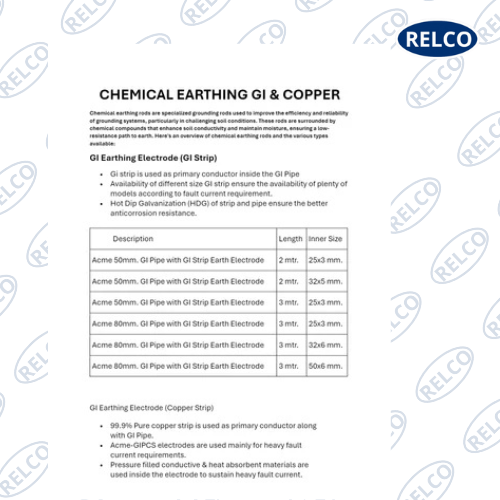
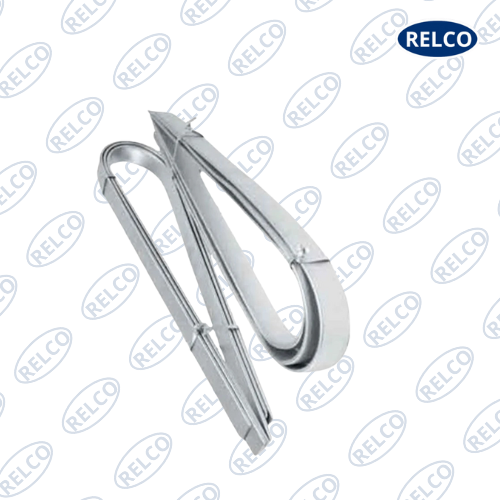
Minimum order quantity: 3 Piece
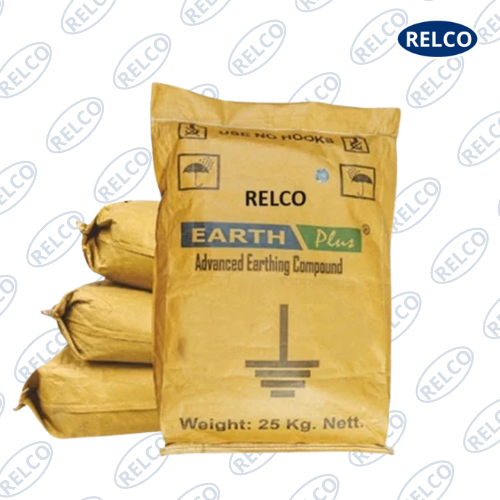
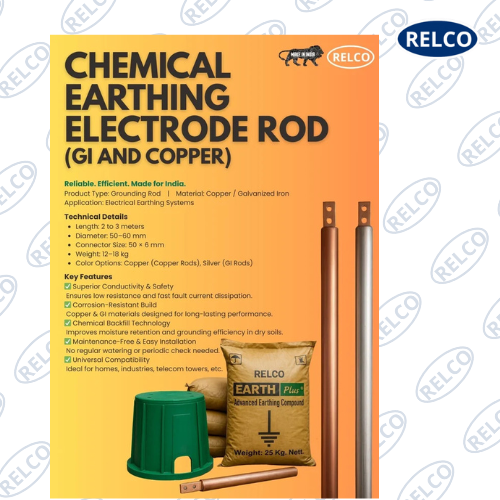
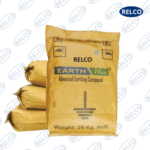
An earthing chemical bag is a key component used in chemical earthing systems to enhance the effectiveness of the grounding. Here’s a comprehensive overview of what it entails:
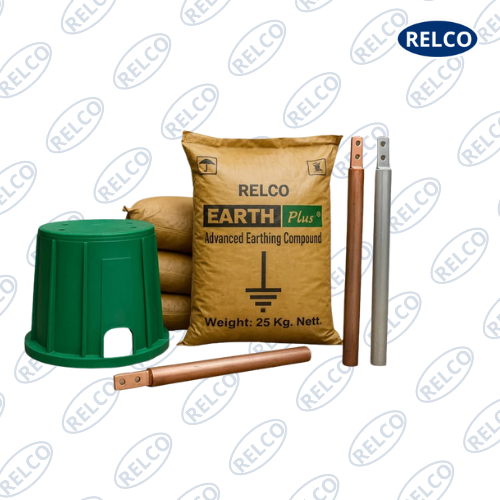
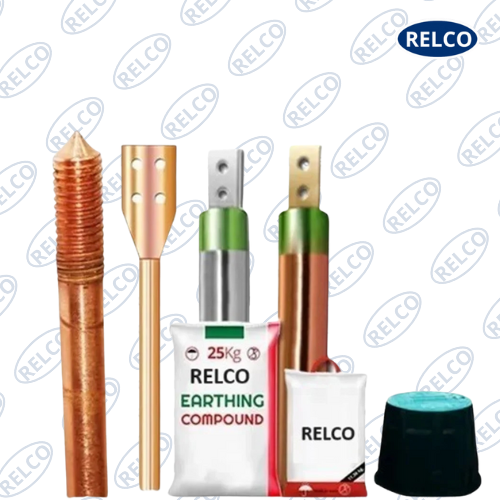
An Earthing Chemical BagAn earthing chemical bag is a pre-packaged bag filled with a special mixture of chemicals designed to improve soil conductivity and maintain moisture around the earthing rod. This chemical mixture typically includes substances like bentonite, graphite, and salts.
Purpose and Function:
- Enhanced Soil Conductivity: The chemicals in the bag improve the electrical conductivity of the soil surrounding the earthing rod, reducing the overall resistance to ground.
- Moisture Retention: The materials in the chemical bag help retain moisture in the soil, which is crucial for maintaining a stable and effective earthing system, especially in arid or dry regions.
- Corrosion Protection: Some chemical mixtures also include components that protect the earthing rod from corrosion, thus extending its lifespan.
Composition of the Chemical Bag:
- Bentonite: A type of clay that swells when wet and retains moisture, providing a low-resistance path to ground.
- Graphite Powder: Enhances conductivity due to its excellent electrical properties.
- Hydrated Salts: Help maintain a consistent level of moisture in the soil.
Installation Process:
- Site Preparation: Select an appropriate site with soil conducive to grounding.
- Drilling a Hole: Drill a hole to the required depth (deeper than typical earthing rods if necessary).
- Inserting the Earthing Rod: Place the earthing rod into the drilled hole.
- Positioning the Chemical Bag: Place the chemical bag around the earthing rod. This can involve surrounding the rod directly with the chemical mixture or placing the pre-packaged bag into the hole.
- Backfilling: Fill the hole with soil, ensuring the chemical bag remains in place and makes good contact with both the rod and surrounding soil.
- Watering (if needed): In some cases, adding water to the installation site can activate the chemicals and enhance conductivity.
Benefits:
- Improved Performance: Significantly lowers the ground resistance, providing a reliable grounding system.
- Longevity: Enhances the lifespan of the grounding system by protecting against corrosion and maintaining moisture.
- Cost-Effective: Reduces the need for frequent maintenance and replacement of grounding systems.
- Versatility: Effective in various soil conditions, including rocky or sandy soils where traditional earthing methods may not be as effective.