Minimum order quantity: 5 Piece
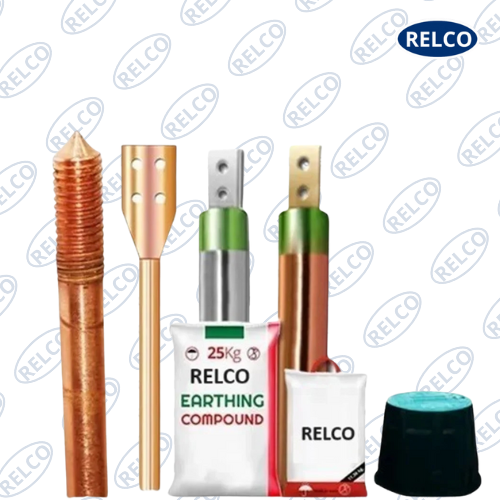
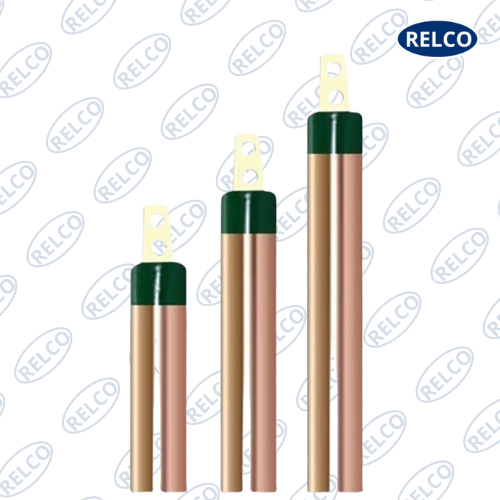
A chemical earthing electrode rod with a chemical compound bag is an advanced grounding system designed to provide efficient and reliable earthing in various soil conditions. This system includes a specially designed rod and a chemical bag filled with compounds that enhance soil conductivity and maintain moisture around the rod. Here’s a detailed description:
Components:
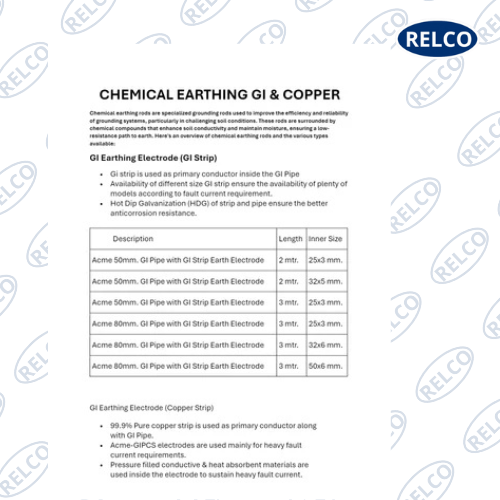
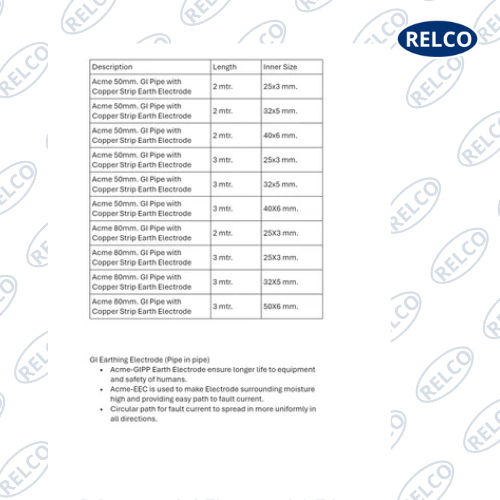
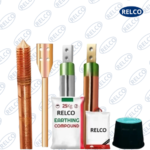
- Earthing Rod:
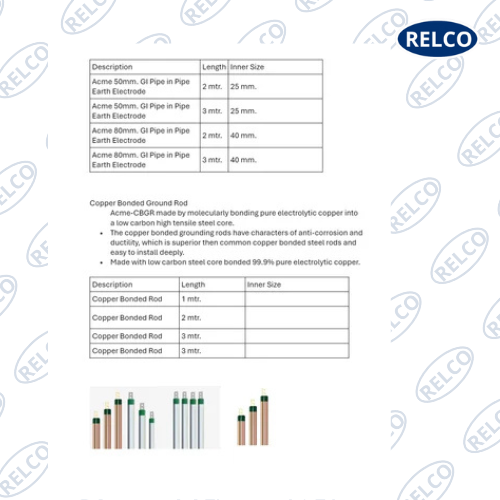
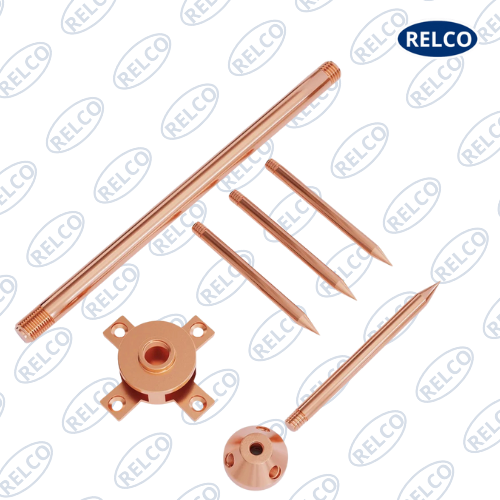
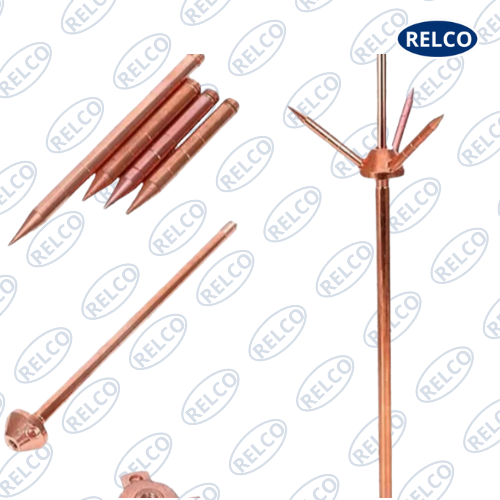
- Material: Made from high-conductivity materials such as pure copper, copper-bonded steel, galvanized iron, or stainless steel.
- Design: Often hollow or with perforations to allow better interaction with the surrounding soil and chemicals.
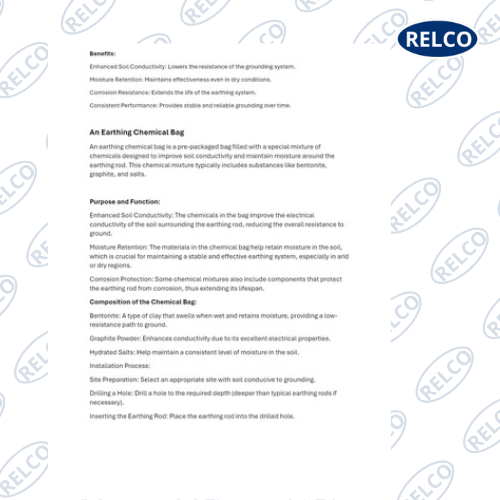
- Chemical Compound Bag:
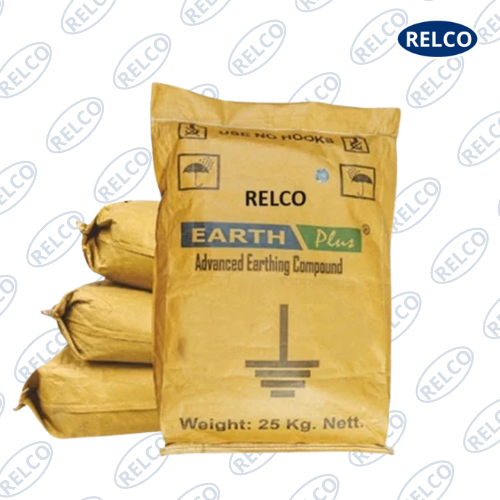
- Composition: The bag contains a mixture of chemicals like bentonite, graphite, and salts.
- Function: These chemicals improve soil conductivity, retain moisture, and protect the rod from corrosion.
Working Principle:
- Enhanced Conductivity: The chemicals in the bag lower the soil resistance around the rod, ensuring a low-resistance path to ground.
- Moisture Retention: The compounds in the bag retain moisture, which is crucial for maintaining the effectiveness of the grounding system, especially in dry conditions.
- Corrosion Protection: The chemicals also help in protecting the rod from corrosion, thereby increasing its lifespan.
Installation Process:
- Site Selection: Choose a suitable location, considering soil conditions for optimal performance.
- Drilling a Hole: Drill a hole to the required depth, typically deeper than standard earthing rods.
- Placing the Rod: Insert the earthing rod into the drilled hole.
- Positioning the Chemical Bag: Surround the rod with the chemical bag. This can involve placing the pre-packaged bag around the rod or adding the chemical mixture into the hole.
- Backfilling: Fill the hole with soil, ensuring the chemical bag remains in place and makes good contact with both the rod and the surrounding soil.
- Watering: If necessary, water the area to activate the chemicals and enhance conductivity.
Benefits:
- Low Resistance Grounding: Provides a consistent and low-resistance path to ground, crucial for effective earthing.
- Adaptable to Various Soils: Effective in diverse soil types, including rocky, sandy, and dry soils.
- Longevity: Offers long-term stability and reduces the frequency of maintenance due to corrosion resistance and stable performance.
- Safety: Ensures the safety of electrical systems by providing reliable grounding.