Minimum order quantity: 5 Piece
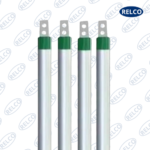
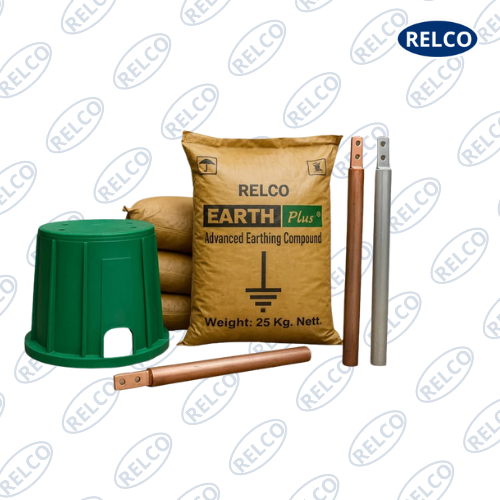
A chemical earthing electrode rod is a specialized grounding component used to enhance the efficiency and reliability of electrical grounding systems, particularly in challenging soil conditions. Here’s a detailed description:
Components:
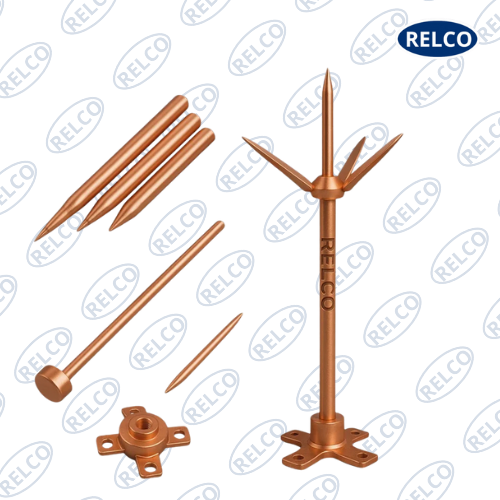
- Earthing Rod:
- Material: Typically made from high-conductivity materials like copper, copper-bonded steel, galvanized iron, or stainless steel.
- Design: Often hollow to allow the infusion of the chemical compound, and may feature perforations to aid in the dispersion of the chemical.
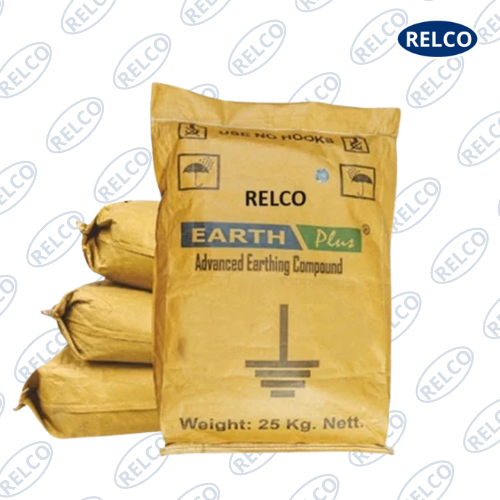
- Chemical Compounds:
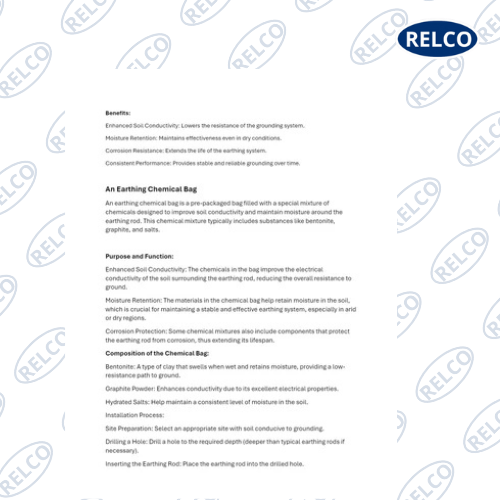
- Composition: A mixture of substances like bentonite, graphite, and salts.
- Function: These chemicals improve soil conductivity and moisture retention, enhancing the overall grounding effectiveness.
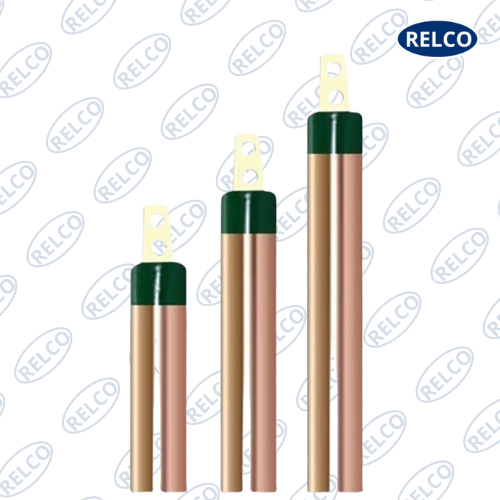
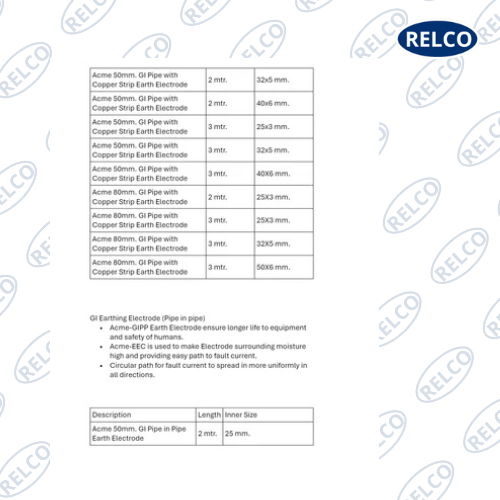
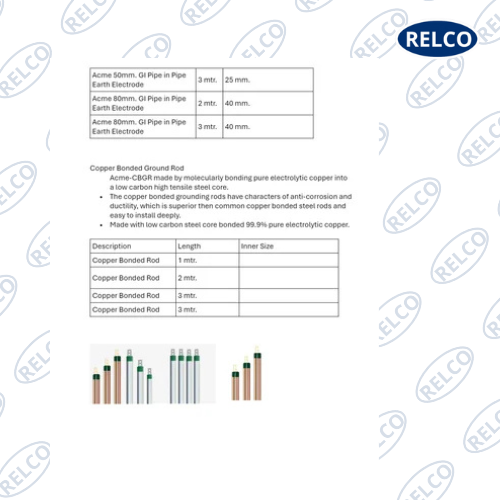
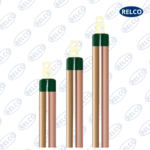
Types of Chemical Earthing Rods1. Copper Bonded Chemical Earthing Rods:
- Construction: Steel rod coated with a thick layer of copper.
- Advantages: High conductivity, excellent corrosion resistance, and long lifespan.
- Applications: Suitable for most grounding applications, including industrial and residential.
2. Pure Copper Chemical Earthing Rods:
- Construction: Made entirely from pure copper.
- Advantages: Superior conductivity and corrosion resistance; best for highly sensitive electrical installations.
- Applications: Used in areas with high soil resistivity and in critical applications like data centers and telecommunication towers.
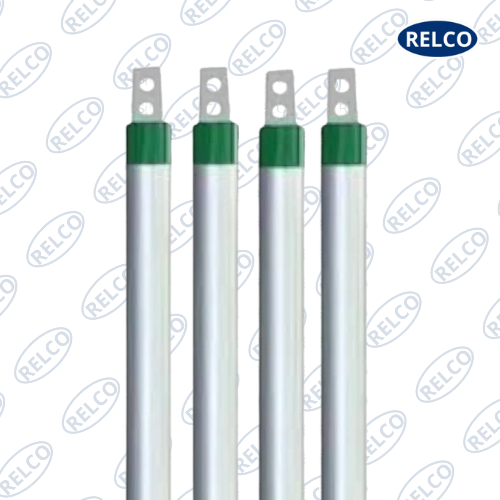
3. Galvanized Iron (GI) Chemical Earthing Rods:
- Construction: Steel rod with a zinc coating.
- Advantages: Cost-effective and provides reasonable conductivity and corrosion resistance.
4. Stainless Steel Chemical Earthing Rods:
- Construction: Made from stainless steel.
- Advantages: Excellent corrosion resistance, particularly in acidic or saline environments.
5. Composite Chemical Earthing Rods:
- Construction: Combine different materials to leverage the strengths of each, such as a copper core with a galvanized steel outer layer.
- Advantages: Balances cost, conductivity, and durability.
Working Principle:
- Conductivity Enhancement: The chemicals increase the conductivity of the soil surrounding the rod, reducing the overall resistance to ground.
- Moisture Retention: The compounds retain moisture around the electrode, ensuring consistent performance even in dry conditions.
- Corrosion Protection: The chemicals can also protect the rod from corrosion, prolonging its life.
Installation Process:
- Site Preparation: Select a suitable location with consideration for soil conditions.
- Drilling a Hole: Create a hole to the required depth for the rod.
- Inserting the Rod: Place the earthing rod into the drilled hole.
- Applying Chemical Mixture: Surround the rod with the chemical mixture or insert the rod with pre-packaged chemicals.
- Backfilling: Fill the hole with soil, ensuring good contact between the rod, chemicals, and soil.
- Watering: Watering the area may be necessary to activate the chemicals and enhance conductivity.
Benefits:
- Low Resistance Grounding: Provides a low-resistance path to ground, essential for effective earthing.
- Improved Performance in Various Soils: Effective in different soil types, including rocky, sandy, and dry soils.
- Longevity: Reduces maintenance frequency due to corrosion resistance and stable performance.
- Safety: Enhances safety for electrical systems by ensuring reliable grounding.


Reviews
There are no reviews yet.